
Retaining walls do more than hold back soil—they prevent erosion, manage sloped landscapes, and help define outdoor spaces. But a wall that’s only strong isn’t always enough. Today’s homeowners and landscapers want structures that are both functional and attractive. That’s where aggregates come in. These materials, like crushed stone and decorative gravel, strengthen the wall’s foundation while adding texture and style. In this blog, we’ll explore how aggregates bring both stability and beauty to your retaining wall project.
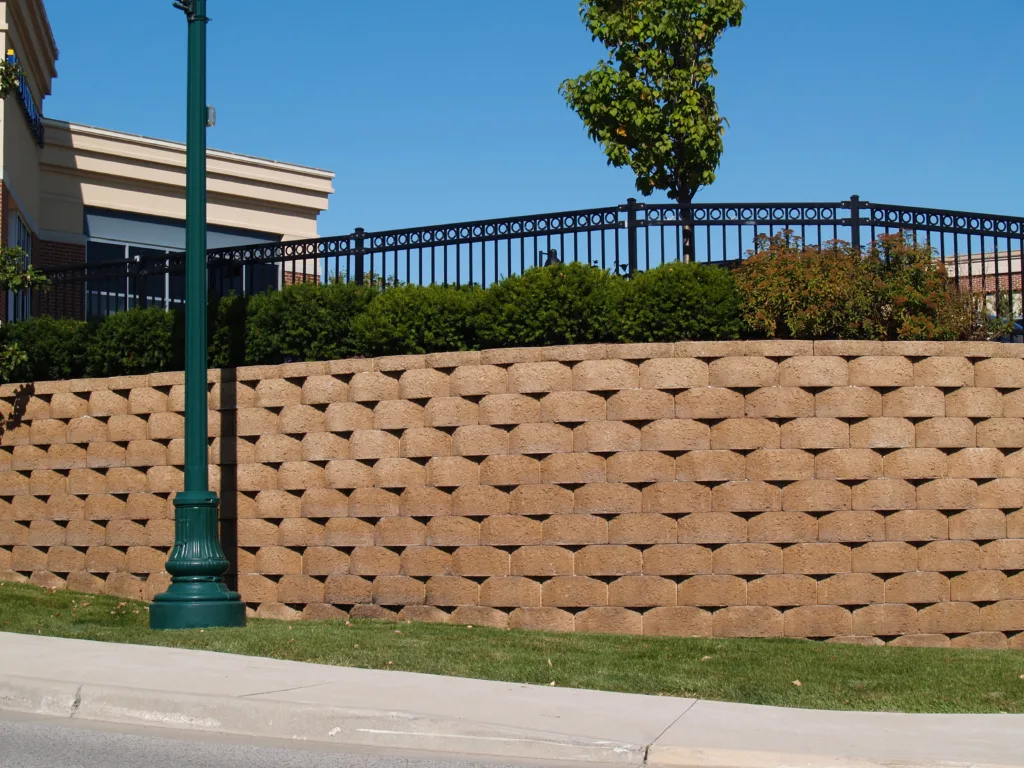
What Are Aggregates?
Aggregates are the unsung heroes of strong and attractive retaining walls. These materials (like crushed stone, gravel, sand, and sometimes recycled concrete) serve as the foundation and filler that keep your wall standing firm. Each type of aggregate brings something valuable to the table. Crushed stone provides excellent drainage and weight support. Sand helps create a smooth, compacted base. Gravel can be both functional and decorative, adding a polished look to the surface.
Aggregates are also essential for structural integrity. They help distribute pressure evenly, reduce erosion, and ensure long-term stability. When chosen and installed correctly, the right combination of aggregates supports a safe, durable retaining wall while enhancing the overall landscape design. Whether you’re building for function or curb appeal, understanding aggregates is the first step to getting it right.
Strength and Stability
Aggregates play a crucial role in the strength and stability of retaining walls. One of their most important functions is providing drainage. When water builds up behind a wall without proper drainage, it creates hydrostatic pressure that can push against the wall and eventually cause cracks, bulging, or even collapse. Using crushed stone or gravel behind the wall allows water to filter through and drain away safely, reducing that pressure.
Aggregates also support the base of the wall, helping distribute weight evenly and prevent shifting over time. A strong foundation made with compacted aggregate material ensures the wall can bear heavy loads without sinking or leaning. In short, aggregates aren’t just a filler—they’re a structural necessity that protects your retaining wall from moisture, erosion, and long-term wear. Without them, the wall simply wouldn’t last.
Aesthetic Appeal
Beyond their strength, aggregates bring serious style to your retaining walls. Decorative aggregates like colored gravel, crushed glass, or smooth river rock can instantly elevate the appearance of your outdoor space. These materials add texture, color, and contrast that help your retaining wall blend beautifully with the rest of your landscaping. Whether you’re going for a sleek modern look, a cozy rustic vibe, or a more natural feel, the right aggregates can help you achieve it. They can be used as a top layer behind or around the wall, forming a border or garden bed that ties everything together.
By choosing aggregates that complement your patio, walkway, or garden, you create a cohesive outdoor design that’s both functional and visually appealing. It’s an easy way to add character and curb appeal while still supporting the structure of your landscape.
Types of Aggregates to Consider
When building or enhancing retaining walls, choosing the right type of aggregate makes a big difference. Crushed stone is one of the most popular choices because it provides strong structural support and excellent drainage. Its jagged edges lock together, reducing shifting and improving stability. Pea gravel, with its smooth, rounded texture, is another great option, especially when you want to add visual appeal. It’s easy to work with and ideal for pathways or top layers around the wall.
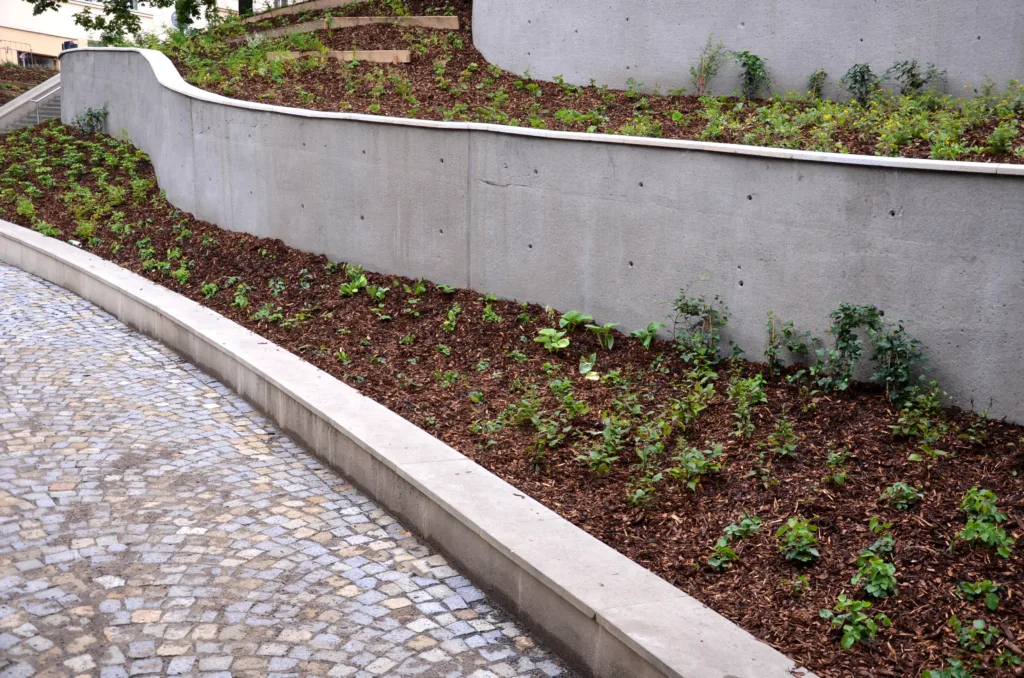
Looking for a sustainable option? Recycled aggregates like crushed concrete or reclaimed asphalt offer eco-friendly solutions without sacrificing performance. They reduce waste and can be just as effective as traditional materials. Each type of aggregate serves a different purpose, so mixing and matching based on your wall’s needs and your design goals can result in a stronger, smarter, and more stylish landscape.
Installation Tips
Proper installation is key to building a retaining wall that lasts, and aggregates play a major role in that process. Start by layering the aggregates correctly—coarser materials like crushed stone should be placed directly behind the wall to allow for drainage and prevent water pressure buildup. This reduces the risk of the wall leaning or collapsing over time.
Adding a layer of geotextile fabric between the soil and aggregate is also essential. This fabric prevents soil from mixing with the stone, which can clog drainage and compromise stability. Don’t forget about slope and compaction—ensure the base layer is level and compacted, and maintain a slight backward slope on the wall to enhance strength and water runoff. Taking the time to follow these steps ensures your wall will not only look great but also stay strong through the seasons.
Choose Consolidated Aggregates for Reliable Aggregates
Choosing the right aggregates is key to building a retaining wall that lasts and looks great. From drainage to design, quality materials make all the difference. At Consolidated Aggregates, we offer a wide selection of durable, visually appealing aggregates to match your needs and style. Whether you’re building for strength, beauty, or both, our team is here to help you plan with confidence. Contact us today for expert advice and reliable materials that set your project up for long-term success.

Follow Us