
Creating a golf course that is both beautiful and functional requires careful attention to every detail, and the foundation of a great course often starts with aggregates. The right choice and placement of aggregates can make the difference between a course that drains well, plays consistently, and lasts for decades versus one plagued by erosion, soggy areas, or uneven turf. In this blog, we will explore the types of aggregates used in golf course construction, their benefits, and best practices for creating the perfect playing surface.
What Are Aggregates?
Aggregates are natural or processed materials like sand, gravel, and crushed stone that form the backbone of golf course construction. They can be filler, but they also provide the essential structure for turf growth, support for walking and cart paths, and proper drainage to prevent waterlogging. The size, texture, and composition of aggregates play a huge role in how water moves through the soil, how stable the surface is, and how the turf responds to play. Choosing the right aggregate for each part of the course ensures a surface that is durable, playable, and visually appealing.
Types of Aggregates Used in Golf Course Construction
1. Sand
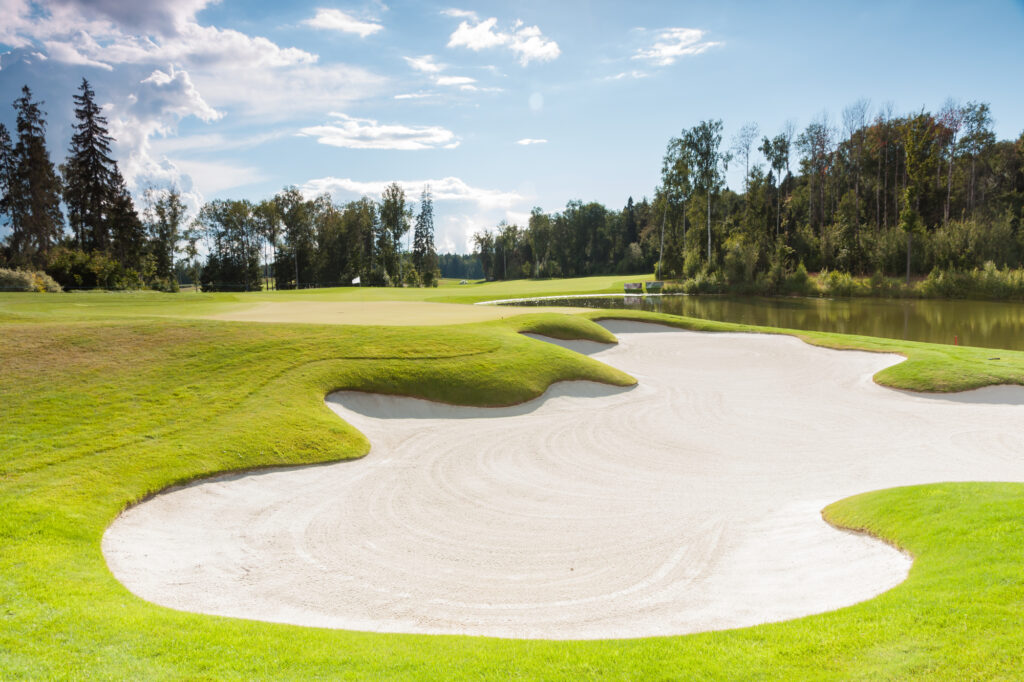
Sand is one of the most critical aggregates in golf course construction. It is commonly used in bunker areas, root zones, and for topdressing greens. The size and texture of sand affect drainage and playability. Coarse sand promotes faster drainage, while finer sand provides smoother putting surfaces. Properly selected sand ensures consistent ball roll and healthy turf growth.
2. Gravel
Gravel is primarily used in drainage layers and sub-base support. It prevents water from pooling and helps maintain firm, playable surfaces even after heavy rain. Gravel also provides stability for pathways and areas with high foot or cart traffic.
3. Crushed Stone
Crushed stone is often used to build stable foundations for cart paths, tees, and other high-traffic areas. Its angular edges help lock particles together, creating a strong, durable surface. When combined with other aggregates, crushed stone helps prevent compaction and erosion.
4. Specialty Blends
Some areas of golf course construction, like greens or tees, require specialty aggregate blends. These are carefully engineered mixes of sand, gravel, and other materials to achieve precise drainage, stability, and turf support. Using the right blend ensures optimal playability and longevity.
Importance of Proper Aggregate Selection
Choosing the right aggregates for a golf course directly affects how the course performs, looks, and lasts. Properly selected aggregates improve drainage, keeping fairways and greens playable even after heavy rain, while poor choices can lead to soggy areas, erosion, or uneven turf. The right materials also support healthy grass growth by preventing compaction and allowing roots to thrive. Beyond turf health, proper aggregate selection impacts playability, ensuring consistent ball roll and a smooth, enjoyable experience for golfers. Making thoughtful decisions about aggregates sets the foundation for a course that performs beautifully year after year.

Installation Best Practices
Proper installation of aggregates is just as important as selecting the right materials. Layers should be carefully graded and compacted to create a stable foundation that promotes drainage and prevents erosion. Blending aggregates with native soil in specific areas, like greens and fairways, ensures consistent turf growth and playability. Professional equipment and expertise are often required to achieve precise layering, even compaction, and smooth surfaces. Cutting corners during installation can lead to uneven turf, water pooling, and costly repairs down the line.
Maintenance and Longevity
Once aggregates are properly installed, ongoing maintenance is key to keeping the golf course in top condition. Regular topdressing helps maintain smooth putting surfaces, while replenishing sand in bunkers ensures consistent playability. Monitoring drainage layers and pathways prevents erosion and waterlogging, protecting both the turf and the course’s foundation. Well-maintained aggregates extend the lifespan of fairways, greens, and tees, reducing costly repairs and keeping the course playable year-round. By investing time and care into maintenance, golf course managers can preserve both the beauty and functionality of their course, ensuring it provides a safe and enjoyable experience for golfers for decades.
Contact Consolidated Aggregates for High-Quality Products
Selecting and installing the right aggregates is essential to creating a golf course that is playable, durable, and visually appealing. From drainage and turf health to long-term maintenance and playability, every choice impacts the overall quality of the course. At Consolidated Aggregates, we specialize in providing high-quality materials and expert guidance for golf course construction projects. Our team works closely with builders and course managers to ensure every layer is optimized for performance and longevity. Contact us at Consolidated Aggregates today for professional advice and top-tier materials to help you build the perfect playing surface.

Follow Us