
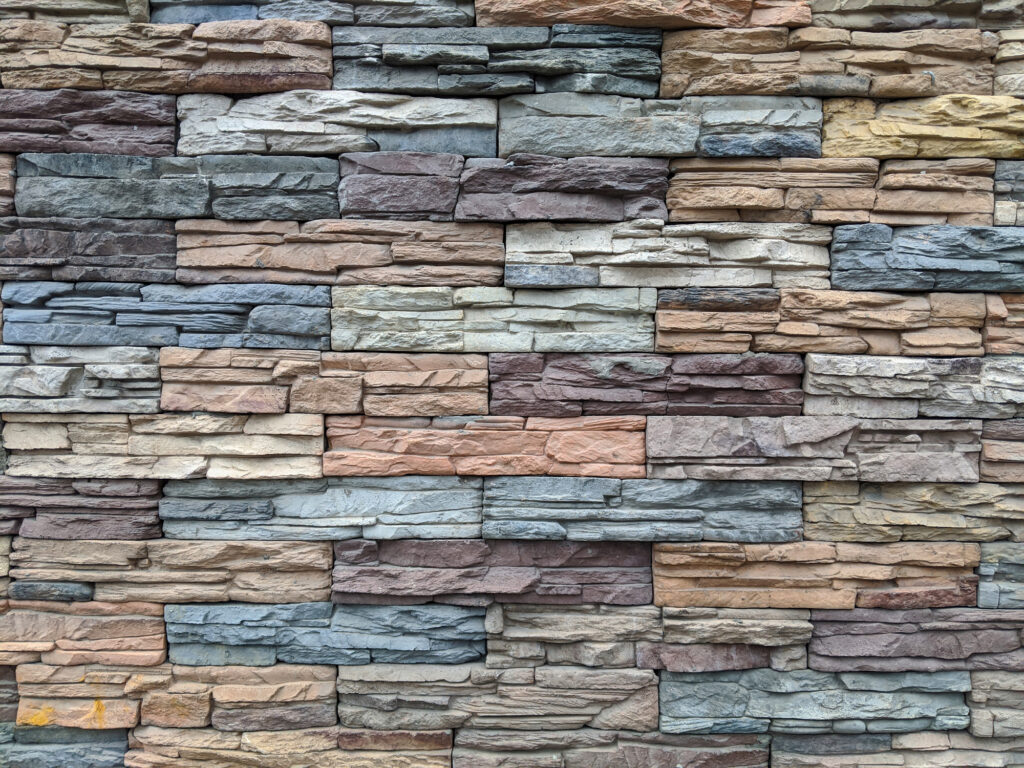
Decorative aggregates are one of the most versatile and eye-catching materials in landscape design. They frame pathways, accent garden beds, enhance water features, and even replace traditional mulch. But to keep them looking their best, regular maintenance is essential. Whether you’ve installed aggregates recently or have had them for years, consistent care will help preserve their color, shape, and placement. This blog will walk you through everything you need to know to maintain your decorative aggregate areas with confidence.
Why Maintenance Matters for Decorative Aggregates
Many homeowners assume aggregates require no upkeep, but that’s only partially true. While they’re significantly lower maintenance than mulch or grass, environmental factors can still impact their appearance and longevity. Weeds can push through if the fabric isn’t secured or if organic debris settles between stones, and color fading may occur from sun exposure over time.
Shifting and settling can disturb the smooth, clean look of pathways or beds. Debris buildup can also make the space look messy and encourage weed growth.
Without simple maintenance, aggregates lose the crisp, polished look that makes them so appealing. By staying ahead of small issues, you protect your landscape investment and extend the life of your decorative stonework.
Routine Care to Keep Aggregates Looking Fresh
Here are some simple tips to preserve your aggregates:
1. Remove Debris Regularly
Leaves, branches, and dirt collect quickly in aggregate areas, especially around trees or garden beds. Use a leaf blower on a low setting or a soft rake to clear debris without disturbing the rocks. Regular cleaning keeps the area tidy and prevents organic matter from breaking down and creating soil where weeds can grow.
2. Replenish Aggregate Levels
Even with proper edging, aggregates gradually disperse due to foot traffic, weather, or settling. Adding a fresh layer every couple of years restores fullness and color. This is especially helpful for high-traffic areas like walkways or driveways.
3. Rake and Level as Needed
For gravel or crushed stone areas, periodic raking helps redistribute material evenly and brings buried stones back to the surface. This simple step maintains both appearance and functionality, especially for drainage-based installations.
Weed Prevention and Control
Controlling weeds is another contributor to maintaining aggregates. Here are some tips:
Landscape Fabric and Edging
A quality landscape fabric is your first line of defense against weeds. If you’re installing a new aggregate area, choose a durable, permeable product that blocks weeds while allowing water to pass through. Pair it with sturdy edging to keep aggregates in place and prevent soil from creeping in.
Spot Treat Weeds Promptly
Even with fabric, the occasional weed may appear due to wind-blown seeds. Pull them out while they’re small or use a pet-safe herbicide. Early removal keeps the area tidy and prevents root systems from spreading.
Avoid Excess Soil Build-Up
One of the main causes of weed growth is the accumulation of soil and mulch fragments inside the aggregate. By keeping debris off the surface, you drastically reduce weed issues long-term.
Washing and Restoring Aggregate Color
Decorative stones naturally collect dust, pollen, and dirt, which can make them look dull. A simple rinse with a garden hose can brighten them considerably. For heavily soiled areas, use a pressure washer on a low setting, keeping the nozzle at a distance to avoid displacing stones or damaging landscape fabric.
Glass aggregates and polished pebbles especially benefit from occasional washing. This helps them regain their shine and reflective quality, making your landscape pop again. If color fading becomes noticeable over several years, adding a thin layer of fresh aggregates can revive the whole space with minimal cost.
Seasonal Care Tips
Spring: Clear away winter debris, redistribute stones, and check for weed activity. Spring is a great time to add new aggregate if levels have settled.
Summer: Rinse aggregates to remove dust and pollen. Keep an eye on weed growth during peak sun seasons.
Fall: Remove fallen leaves quickly to prevent staining and soil buildup. Rake and level aggregates before winter weather arrives.
Winter: In icy climates, be cautious with snow removal tools. Avoid metal shovels that can displace aggregates. Instead, choose plastic shovels or gently push snow to the edges.
When to Consider Replacing or Refreshing Aggregates
Even with great maintenance, decorative aggregates may need more substantial refreshes every 5–10 years, depending on the type and how they’re used. Here’s a few signs it’s time for a refresh:
- Stones look faded or worn.
- Fabric underneath has deteriorated.
- Drainage issues have developed.
- Pathways no longer look level or even.
Replacing or adding new aggregates is one of the easiest ways to revitalize a landscape without major renovations.

Choose Consolidated Aggregates for High-Quality Materials
Maintaining decorative aggregate areas doesn’t have to be complicated. With simple, consistent care, you can preserve the beauty and functionality of your landscape for years. Decorative aggregates are an investment in both aesthetic appeal and outdoor durability, and proper maintenance ensures you get the most out of them.
If you’d like help choosing the right aggregates or need fresh material to revitalize your space, Consolidated Aggregates offers high-quality options and expert guidance to bring your landscaping vision to life. Contact us today to get started on transforming your landscaping into a beautiful space.

Follow Us