
A great sports field needs to do more than look good. It needs to provide a stable, consistent surface that can withstand regular practices, games, and changing weather conditions. One of the most important parts of achieving that is proper drainage. When rainwater has nowhere to go, a field can quickly become saturated, muddy, and difficult to play on. The right drainage design and aggregate materials can help keep water moving away from the playing surface and support better field performance.
Prevent Standing Water After Rain
Heavy rain can quickly create standing water on a sports field, especially when the soil doesn’t drain well or the field isn’t properly graded. Puddles can make the surface unusable and may take hours or even days to disappear.
A properly designed drainage system helps move excess water away from the playing surface. Aggregate materials can play an important role beneath the field by creating drainage layers that allow water to move through the system rather than remaining trapped near the surface.
Protect the Playing Surface
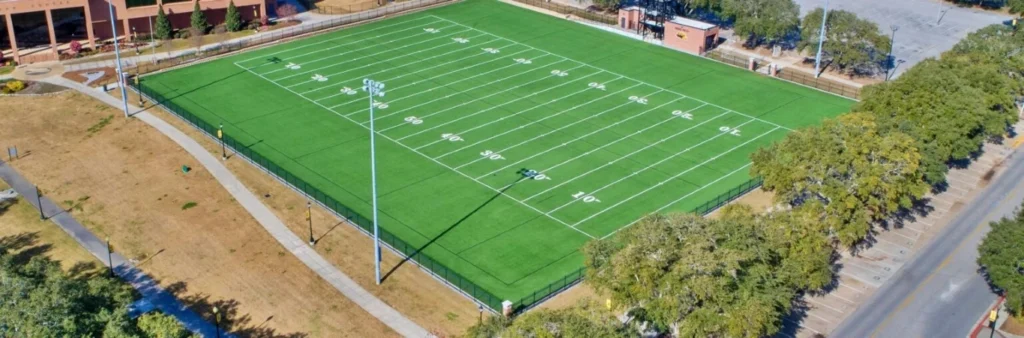
Excess moisture can cause more than temporary puddles. Repeated exposure to water can contribute to muddy areas, erosion, compaction, and uneven surfaces.
When athletes continue using a field while it’s saturated, their feet can create ruts and other damage. Over time, these issues can make the field less consistent and more difficult to maintain.
Proper drainage helps the field recover after rainfall and provides a more stable foundation for the playing surface.
Improve Player Safety
A field that stays wet or develops uneven areas can also create safety concerns for athletes. Excess moisture can affect traction and make it harder for players to maintain their footing.
Proper drainage helps reduce water buildup and supports a more consistent playing surface. This is particularly important for sports that involve running, sudden stops, and quick changes in direction.
Drainage is only one part of field safety, but it’s an important consideration when designing and maintaining a sports field.
Reduce Field Closures and Weather Delays
Few things are more frustrating for athletes and coaches than a canceled practice or game because of a wet field. Poor drainage can leave a field unusable long after a storm has passed.
Fields with effective drainage may be able to recover more quickly after rainfall. This can help schools, parks, recreation facilities, and athletic organizations maintain more consistent schedules. Reducing weather-related downtime can also help protect the field itself by discouraging players from using it while it’s too wet.
Support Long-Term Field Durability
Water can have a significant impact on the materials and soil beneath a sports field. Poor drainage may contribute to erosion, compaction, and deterioration that can eventually require expensive repairs.
A properly designed drainage system helps manage water before it can cause these problems. Using appropriate aggregate materials as part of the field’s construction can provide a stable base and support effective water movement.
Considering drainage from the beginning can help create a field that’s built to handle regular use and changing weather conditions.
Choose the Right Aggregate Materials
Not every sports field has the same construction or drainage requirements. The right materials depend on factors such as the field’s design, soil conditions, expected use, and existing drainage system.
Properly selected aggregate can be used in drainage layers and other areas of field construction to help provide stability and promote water movement. Consolidated Aggregates offers materials for athletic field applications, giving contractors and field professionals options for sports field construction and improvement projects.
Consider Drainage During Construction or Renovation
Drainage should be considered early in the planning process rather than after water problems appear. Before constructing or renovating a field, it’s important to evaluate existing soil and drainage conditions.
Grading, drainage systems, base materials, and aggregate layers should all work together to direct water away from the playing surface. Taking these factors into account during planning can help prevent drainage problems later.
For an existing field, identifying areas where water regularly collects can also help determine what improvements may be needed.
Maintain the Field and Drainage System
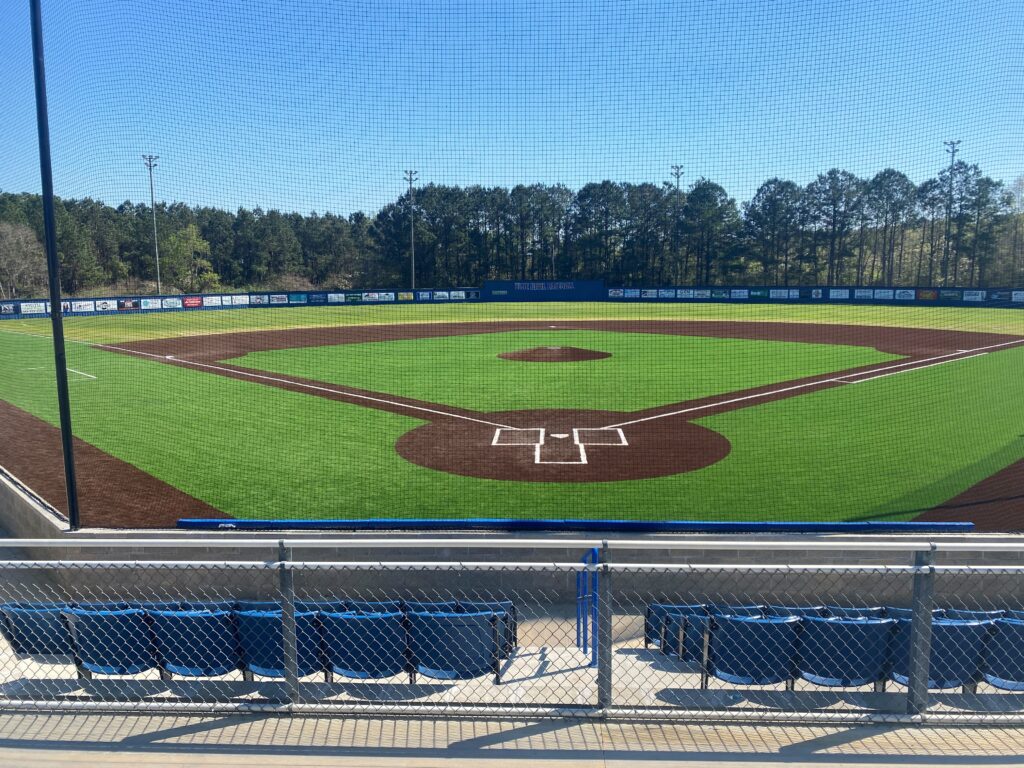
Even the best-designed drainage system requires maintenance. Drainage areas and outlets should remain clear of debris, while field managers should monitor areas where water regularly collects.
Erosion, compaction, and surface damage should also be addressed before they become larger problems. Regular maintenance helps preserve the field’s drainage performance and extends the life of the playing surface.
Build a Better Sports Field With Consolidated Aggregates
Proper drainage can make a major difference in how a sports field performs. It can help reduce standing water, protect the playing surface, improve consistency, minimize weather delays, and support long-term durability.
The right aggregate materials are an important part of building a drainage system that works with the rest of the field’s design.
If you’re planning a new athletic field or renovating an existing one, contact Consolidated Aggregates to learn more about aggregate materials for sports field applications and find the right products for your project.

Follow Us