
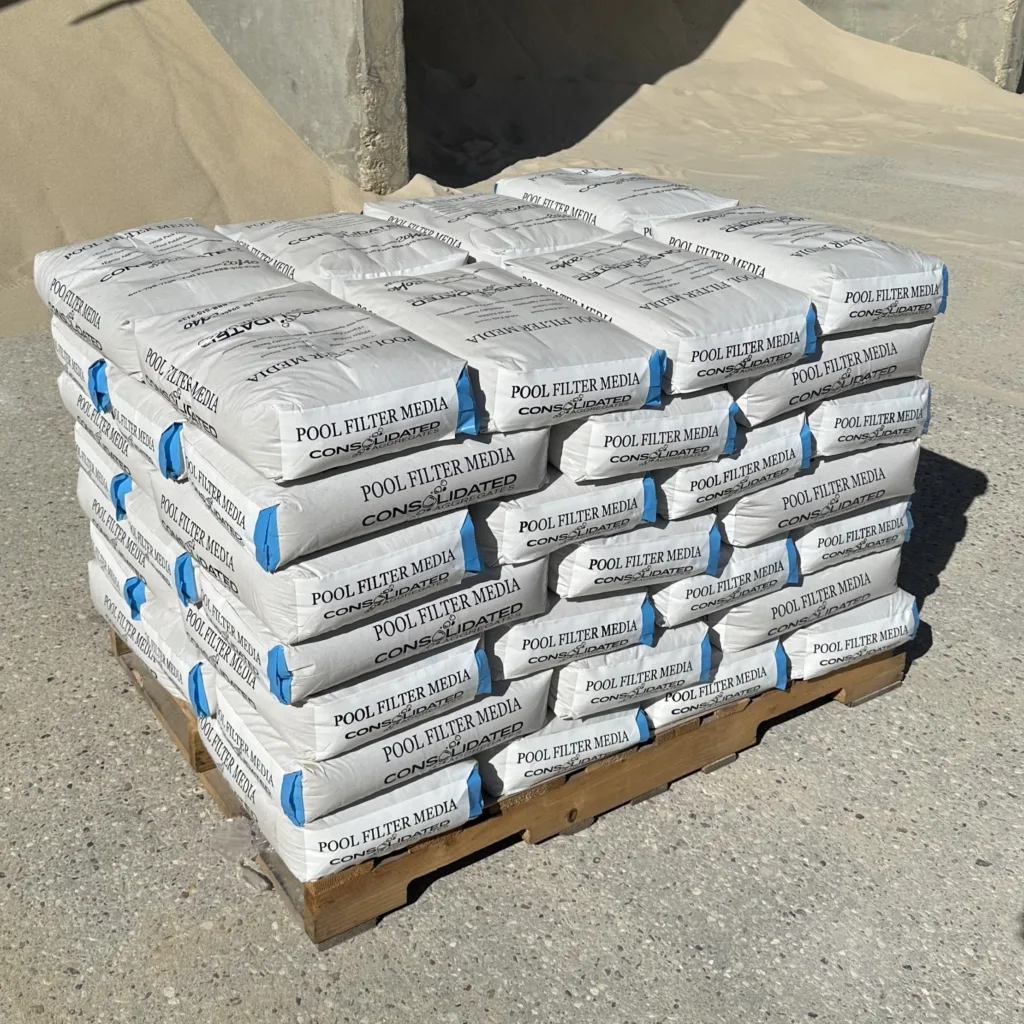
When it comes to building strong, long-lasting foundations, the materials used in concrete matter just as much as the design itself. One of the most important and often overlooked components of concrete is aggregate sand. High-quality aggregate sand plays a critical role in the strength, durability, and performance of concrete foundations. For contractors, builders, and homeowners alike, understanding these benefits can help ensure better construction outcomes.
What is Aggregate Sand?
Aggregate sand is a fine granular material typically made from natural stone, such as crushed rock or naturally occurring sand that has been processed and graded for construction use. In concrete, aggregate sand fills the spaces between larger aggregates like gravel, creating a dense, stable mixture. This balance of materials is essential for producing concrete that can withstand heavy loads and resist cracking over time.
Unlike unprocessed or decorative sands, aggregate sand is carefully sized and cleaned to meet construction standards. Its consistency makes it suitable for structural applications where performance and reliability are critical.
The Role of Aggregate Sand in Concrete Strength
Concrete is made up of cement, water, aggregate sand, and coarse aggregates. While cement acts as the binding agent, aggregate sand provides structure and stability. Properly graded sand improves the bond between cement and larger aggregates, allowing the concrete to cure evenly and achieve optimal strength.
Without the right type or amount of sand, concrete can become weak, brittle, or prone to shrinkage. Aggregate sand helps reduce voids within the mix, resulting in denser concrete that can better support the weight of buildings and structures.
Improved Load-Bearing Capacity
One of the primary benefits of using quality aggregate sand is improved load-bearing capacity. Foundations must support the entire weight of a structure, including walls, floors, and roofs. Aggregate sand helps distribute loads evenly throughout the concrete to reduce stress points that could lead to cracking or failure.
This is especially important in residential and commercial foundations where long-term stability is essential. Stronger concrete means fewer structural issues and a longer lifespan for the building.
Reduced Shrinkage and Cracking
Concrete naturally shrinks as it cures, but excessive shrinkage can lead to cracks that weaken a foundation. Aggregate sand helps control this process by limiting the amount of cement paste required in the mix. With less paste, there is less shrinkage during curing.
High-quality aggregate sand also improves internal stability, reducing the risk of cracks caused by temperature changes, moisture fluctuations, or settling. This results in foundations that are more resistant to long-term damage.
Better Workability and Consistency
Using properly graded aggregate sand improves the workability of concrete. A well-balanced mix is easier to pour, spread, and finish, which is especially important for large foundation projects. Consistent sand particles allow concrete to flow smoothly without separating or becoming overly stiff.
Improved workability not only saves time during construction but also helps ensure a more uniform foundation surface, reducing the likelihood of weak spots or imperfections.
Durability and Long-Term Performance
Foundations are exposed to constant stress from weight, moisture, and environmental conditions. Aggregate sand enhances the durability of concrete by improving its resistance to wear and erosion. Clean, washed sand helps prevent contaminants from interfering with the curing process, resulting in stronger, more resilient concrete. Over time, this durability translates into fewer repairs, reduced maintenance costs, and greater peace of mind for property owners.
Best Practices for Using Aggregate Sand in Concrete
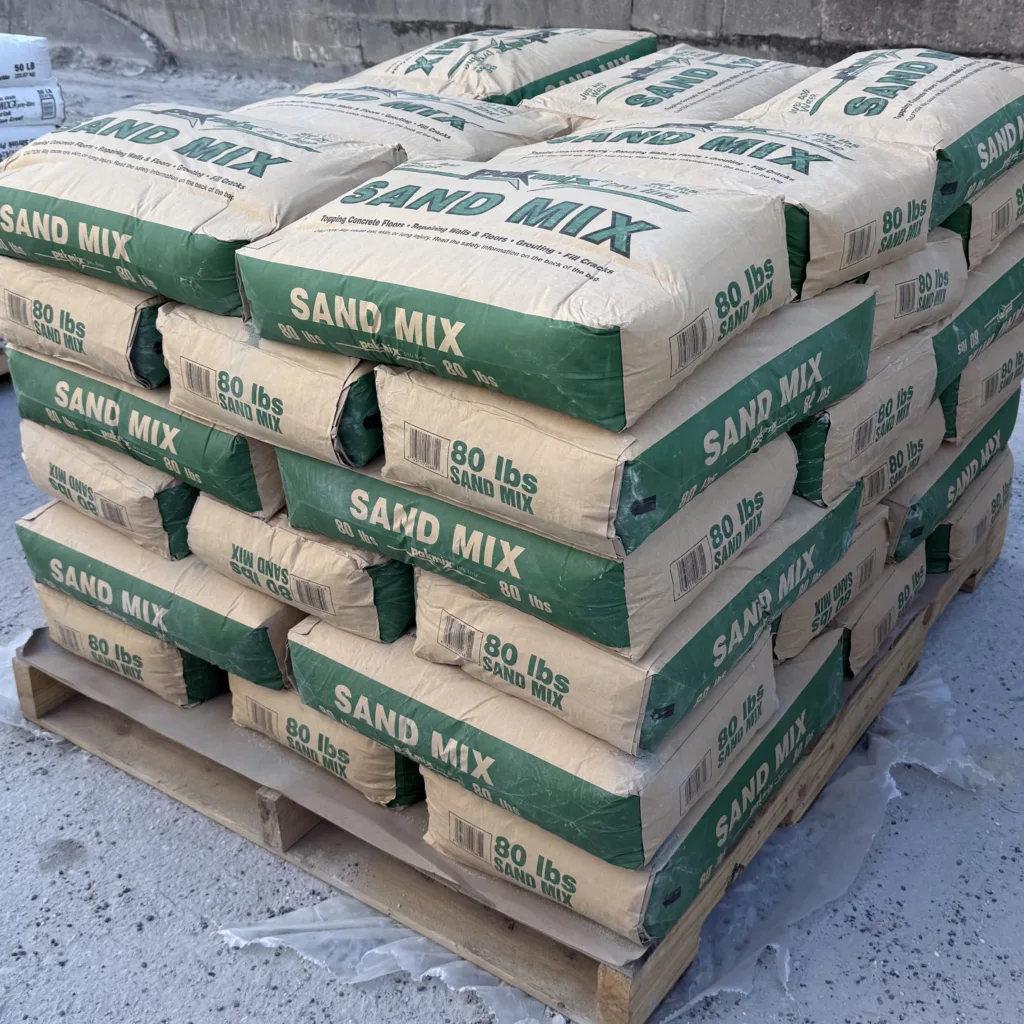
To achieve the best results, it’s important to use the right aggregate sand for foundation applications. Proper mix ratios are essential, as too much or too little sand can affect strength and performance. Using clean, washed sand helps prevent issues caused by clay, silt, or organic materials.
Working with a trusted supplier like Consolidated Aggregates ensures consistent quality and reliable material specifications. Our team can help contractors and builders select the appropriate sand for each project.
Why Quality Materials Matter
Using low-quality or improperly graded sand can compromise the entire concrete structure. Poor materials may lead to weak bonding, increased cracking, and premature failure. While high-quality aggregate sand may seem like a small detail, it has a significant impact on the safety and durability of a foundation. Investing in quality materials upfront often results in long-term cost savings by reducing the need for repairs and extending the life of the structure.
Why Choose Consolidated Aggregates?
Consolidated Aggregates is committed to supplying high-quality aggregate sand that meets industry standards for performance and reliability. With consistent grading, clean materials, and dependable delivery, we support builders and contractors in achieving strong, durable foundations.
Our knowledgeable team understands the demands of construction projects and works closely with customers to ensure the right materials are used for each application. By choosing high-quality aggregate sand from us, builders and property owners can lay the groundwork for structures that stand the test of time. Contact us today to learn more.

Follow Us