
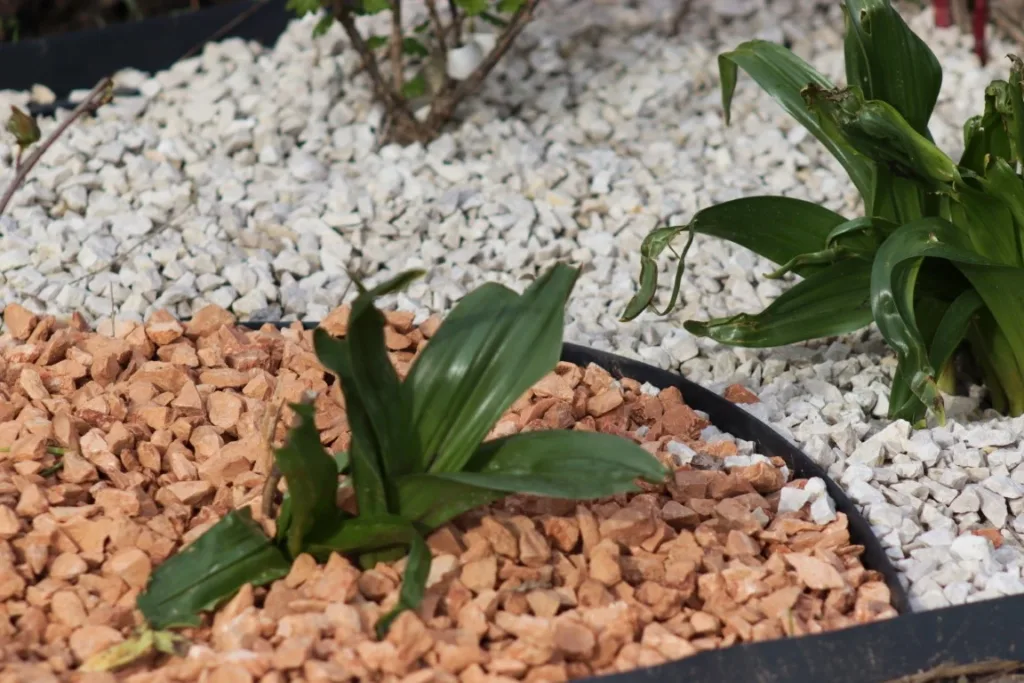
When it comes to landscaping, the material you choose to cover your soil plays a big role in how your outdoor space looks, performs, and holds up over time. For years, traditional mulch has been the go-to option for garden beds and borders. However, decorative aggregates have become increasingly popular for homeowners and commercial properties looking for a cleaner look, lower maintenance, and long-term value.
Both options have their place, but when you compare durability, upkeep, and overall performance, decorative aggregates often come out ahead. Let’s break down the key differences and explain why many property owners are making the switch to aggregates.
What Are Decorative Aggregates?
Decorative aggregates include materials such as gravel, pebbles, crushed stone, and specialty decorative rock. These materials are commonly used in landscape beds, walkways, borders, and accent areas. Available in a wide range of colors, textures, and sizes, aggregates allow for customized designs that complement modern, traditional, and natural landscapes.
Unlike organic materials, decorative aggregates do not break down over time. Once installed correctly, they provide a consistent, polished appearance that lasts for years with minimal effort.
What is Traditional Mulch?
Traditional mulch is typically made from organic materials such as wood chips, bark, or shredded wood. It’s commonly used to help retain moisture, regulate soil temperature, and suppress weeds. While mulch offers short-term benefits, it naturally decomposes over time.
As mulch breaks down, it must be replenished regularly, often once or twice a year. It can also fade in color, shift during heavy rain or wind, and attract pests if not maintained properly.
Visual Appeal and Design Versatility
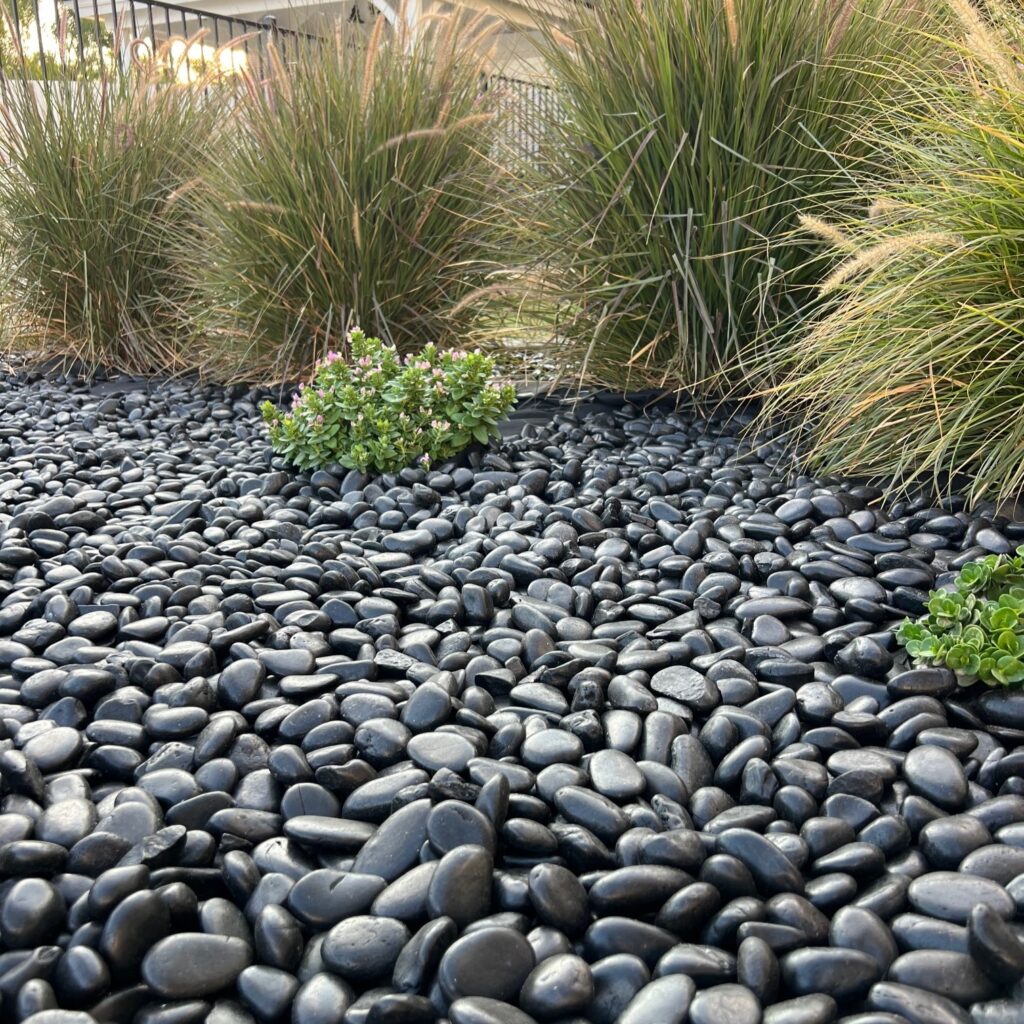
One of the biggest advantages of decorative aggregates is their ability to maintain a clean, attractive appearance year-round. Aggregates retain their color and texture far longer than mulch, which often fades or breaks down after a single season.
With decorative aggregates, homeowners can choose from light, neutral tones for a modern look or darker, natural stones for a more organic feel. This versatility makes aggregates ideal for enhancing curb appeal and creating defined, intentional landscape designs.
Low Maintenance Advantages of Decorative Aggregates
Maintenance is where decorative aggregates truly shine. Once installed with proper landscape fabric and edging, aggregates require very little upkeep. There’s no need for seasonal replacement, frequent raking, or refreshing faded material.
Mulch, on the other hand, shifts easily, decomposes quickly, and often requires ongoing attention. Over time, the labor and cost of maintaining mulch can add up, making aggregates the more convenient option for busy homeowners and commercial properties.
Durability and Longevity
Decorative aggregates are built to last. They hold up well against wind, rain, foot traffic, and temperature changes. Unlike mulch, aggregates won’t wash away during storms or break down under harsh weather conditions.
This durability makes decorative aggregates especially effective for high-traffic areas, commercial landscapes, and properties that want a long-term solution without constant maintenance.
Water Efficiency and Drainage Benefits
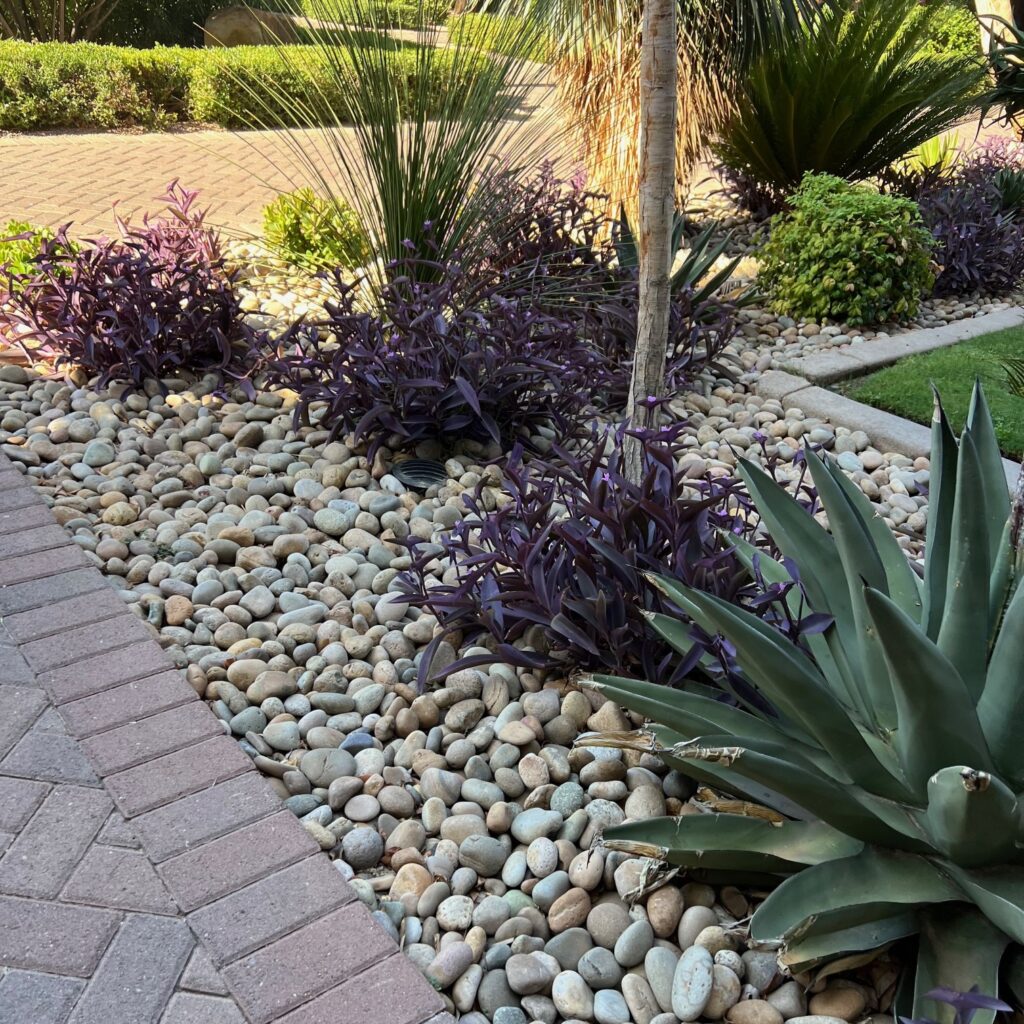
Decorative aggregates offer excellent drainage, allowing water to pass through easily and reducing the risk of pooling or erosion. This makes them a smart choice for water-wise landscaping and xeriscaping designs.
While mulch does retain moisture, it can also hold excess water, especially in shaded areas, potentially leading to mold or plant issues. Aggregates strike a balance by improving drainage while still protecting soil underneath.
Cost Value Over Time
Although decorative aggregates may have a slightly higher upfront cost than mulch, they often provide better value over time. Mulch requires frequent replacement, ongoing labor, and recurring expenses year after year.
Aggregates, once installed, can last for decades with minimal maintenance. When factoring in reduced labor and replacement costs, decorative aggregates often end up being the more cost-effective solution in the long run.
Environmental Benefits of Decorative Aggregates
Decorative aggregates are reusable and long-lasting, which makes them an environmentally friendly landscaping option. Because they don’t decompose, they generate less waste compared to organic mulch that must be replaced regularly.
Aggregates also support sustainable landscaping practices by reducing material consumption and minimizing maintenance-related resource use over time.

Why Choose Decorative Aggregates from Consolidated Aggregates?
Consolidated Aggregates offers a wide selection of high-quality decorative aggregates to fit any landscape design. From classic gravel to specialty stone, our materials are sourced for durability, appearance, and performance.
Our experienced team helps homeowners, contractors, and property managers choose the right aggregate for their specific project. With reliable availability and delivery options, Consolidated Aggregates makes it easy to upgrade your landscape with long-lasting materials.
If you’re ready to replace mulch or plan a new landscape project, contact Consolidated Aggregates today. Our team is ready to help you find the perfect decorative aggregate to elevate your outdoor space.

Follow Us