
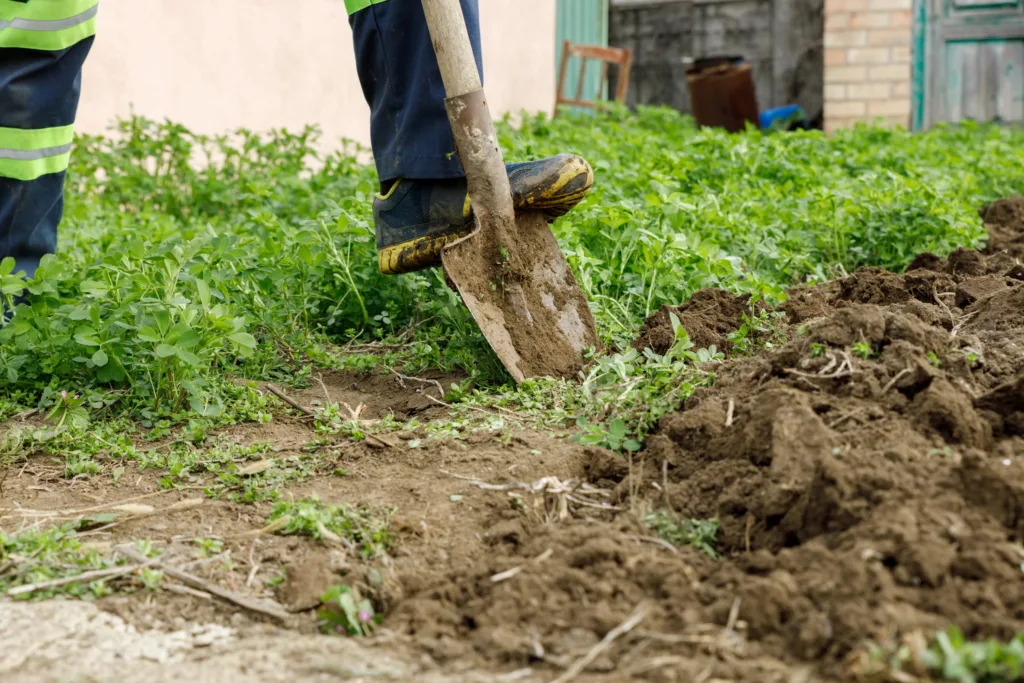
Soil erosion is a common issue that can quietly cause significant damage to your landscape over time. Whether it is from heavy rain, poor drainage, or sloped terrain, erosion can cause many problems. Left unaddressed, it can even impact your property’s foundation or outdoor structures.
One of the most effective and often overlooked solutions for erosion control is the use of aggregates. With high-quality materials from Consolidated Aggregates, homeowners and contractors can create durable, low-maintenance solutions that prevent erosion and improve the overall appearance of outdoor spaces.
What is Soil Erosion and Why It Matters
Soil erosion occurs when the top layer of soil is worn away by natural forces such as water, wind, or gravity. While some erosion is natural, excessive erosion can lead to serious landscaping problems.
When topsoil is lost, plants struggle to grow because they lose access to essential nutrients. Erosion can also create drainage issues, leading to water pooling in unwanted areas or flowing toward your home’s foundation. Common problem areas include sloped yards, garden beds, and places where water runoff is concentrated, such as near downspouts or walkways.
What Are Aggregates?
Aggregates are materials such as gravel, crushed stone, sand, and decorative rock that are commonly used in construction and landscaping. These materials are valued for their durability, versatility, and ability to improve drainage and stability.
In landscaping, aggregates come in various sizes, shapes, and colors, allowing them to serve both functional and aesthetic purposes. Unlike organic materials like mulch, aggregates do not break down over time, which makes them a long-lasting solution for erosion control.
How Aggregates Help Prevent Soil Erosion
Improve Drainage
One of the primary ways aggregates help prevent soil erosion is by improving drainage. Instead of water pooling on the surface or rushing across soil, aggregates allow water to filter through the material and into the ground below. This reduces the amount of runoff that can carry soil away.
Stabilize Soil
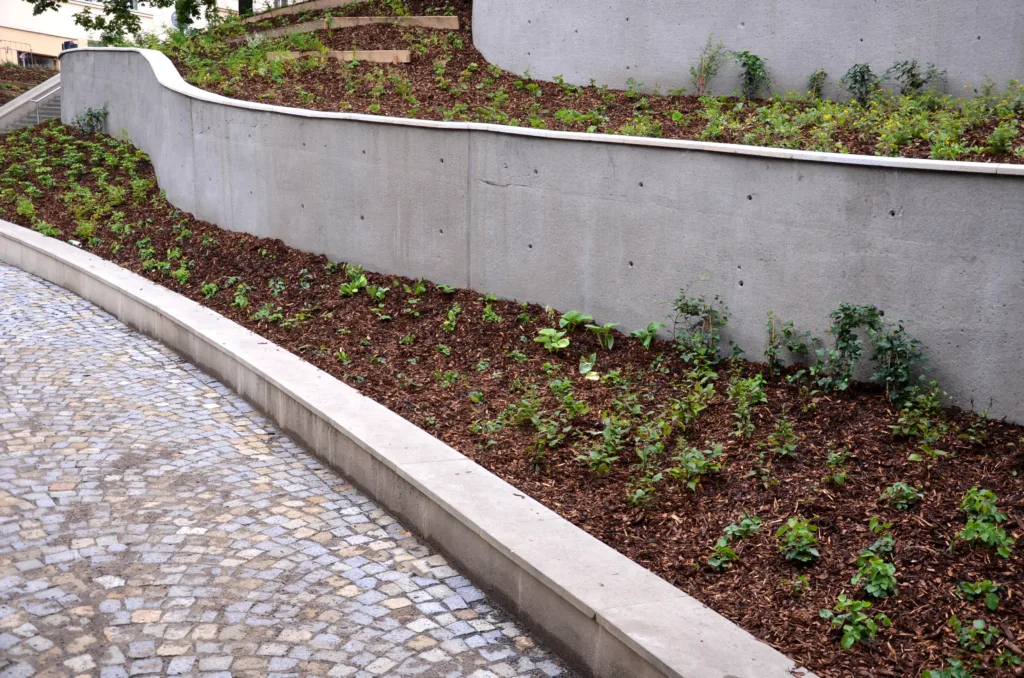
Aggregates add weight and structure to loose soil, helping to hold it in place. This is especially important in areas with uneven terrain or loose, sandy soil. By creating a more stable surface, aggregates reduce the likelihood of soil shifting or washing away.
Reduce Water Impact
When rain falls directly onto exposed soil, it can displace particles and start the soil erosion process. Aggregates act as a protective layer, breaking the force of rainfall and preventing direct impact on the soil below. This helps preserve the integrity of the ground during storms.
Control Runoff Paths
Aggregates can also be used to guide water in a controlled manner. By placing them strategically, you can direct water flow away from vulnerable areas and toward proper drainage points. This helps prevent concentrated runoff from damaging specific sections of your landscape.
Best Areas to Use Aggregates for Erosion Control
- Sloped Yards: Slopes are one of the most common areas for soil erosion. Aggregates help anchor the soil and reduce the risk of it sliding downhill during heavy rain. They also add a clean, finished look to sloped areas.
- Garden Beds and Borders: Using aggregates in garden beds can help keep soil in place while still allowing water to reach plant roots. They also reduce the need for frequent maintenance compared to traditional mulch.
- Around Downspouts: Downspouts often release large amounts of water in one area, which can quickly lead to erosion. Placing aggregates around these areas helps disperse the water and protect the surrounding soil.
- Pathways and Walkways: High-traffic areas can cause soil to become compacted and displaced. Aggregates provide a stable surface that reduces wear and helps maintain the structure of the surrounding landscape.
Choosing the Right Aggregate Material
Not all aggregates are the same, and choosing the right type is important for effective erosion control. Crushed stone, for example, interlocks well and provides excellent stability, making it ideal for slopes and drainage areas. Gravel offers good drainage and is often used for pathways and decorative features.
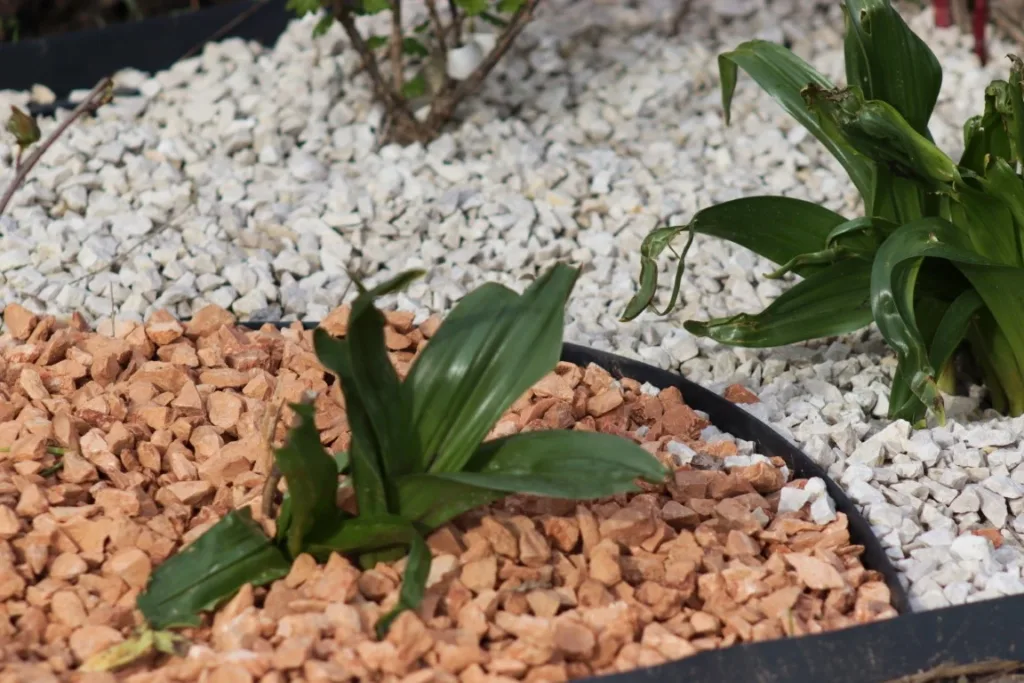
The size of the aggregate also matters. Larger stones are better for areas with heavy water flow, while smaller materials may be more suitable for decorative or low-impact areas. Selecting the right combination of material, size, and placement ensures the best results.
Protect Your Landscape with Consolidated Aggregates
Soil erosion can lead to long-term damage if it is not addressed, but with the right materials, it is a problem that can be managed effectively. Aggregates provide a practical, durable, and visually appealing solution for stabilizing soil and controlling water flow.
High-quality materials make all the difference. Consolidated Aggregates offers a wide range of aggregate products to help you protect your property and enhance your outdoor space. Contact Consolidated Aggregates today to find the right materials for your landscaping needs and take the first step toward a more stable, erosion-resistant yard.

Follow Us